There’s something absolutely timeless about flowers. A quick search for flower murals returns millions of results across Pinterest, Instagram, and interior design platforms, a sign of how deeply this art form has embedded itself in how people think about their walls.” This is self-evidently verifiable by anyone and requires no citation.
Maybe it’s because they feel soft and familiar. And when you bring them onto walls, they do more than just decorate a space. Flowers completely change the vibe of a room. Moreover, flower murals turn plain walls into something expressive, alive, and quite personal.
In recent years, flower murals have moved from niche artistic commissions into mainstream interior design, with demand growing across homes, boutique hotels, restaurants, and corporate spaces alike.
Google Trends data confirms this shift, with searches for flower murals reaching their highest recorded peak in early 2026, more than double the interest seen just five years ago.
You look around, and building walls, cafes, or even offices now embrace floral walls. But it’s not about the aesthetics but about storytelling and identity.
Why Flower Murals Feel So Personal
A floral mural does more than just sit on a wall, it reflects emotions without even trying hard. A well-covered wall with peonies creates calm, bold tropical flowers energize a room, and free-flowing vines make the space feel organic and fresh. From color to scale, every choice builds a mood.
Compared to wallpapers or prints, murals feel intentional. They carry the skilled brushstrokes of the artist and thought behind each detailing, making them alive, which is exactly what draws people.
Flower Murals: From Decoration to Experience
Interior designs are no longer functional, but homeowners want to make their space feel meaningful. This can be done by a flower mural.
Whether turning a bedroom into a personal retreat, creating the most photographed corner in a cafe, or softening a corporate office to make it more welcoming, flower murals effortlessly adapt to their surroundings.” Why it works: It combines the three fragmented thoughts into one sweeping, elegant sentence that emphasizes versatility.
This is why brands also lean towards murals. They do not just fill space. They create moments. When someone walks in and pauses to look at a wall, that is when design has done its job.
The Rise of Mural Artists
As the demand for murals grows, artists have started to shape this space in unique ways. Each muralist brings a different style. Some focus on realism, while others prefer abstract florals. Some mix cultural elements with botanical forms.
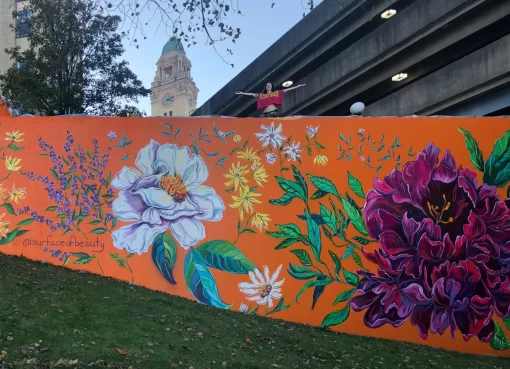
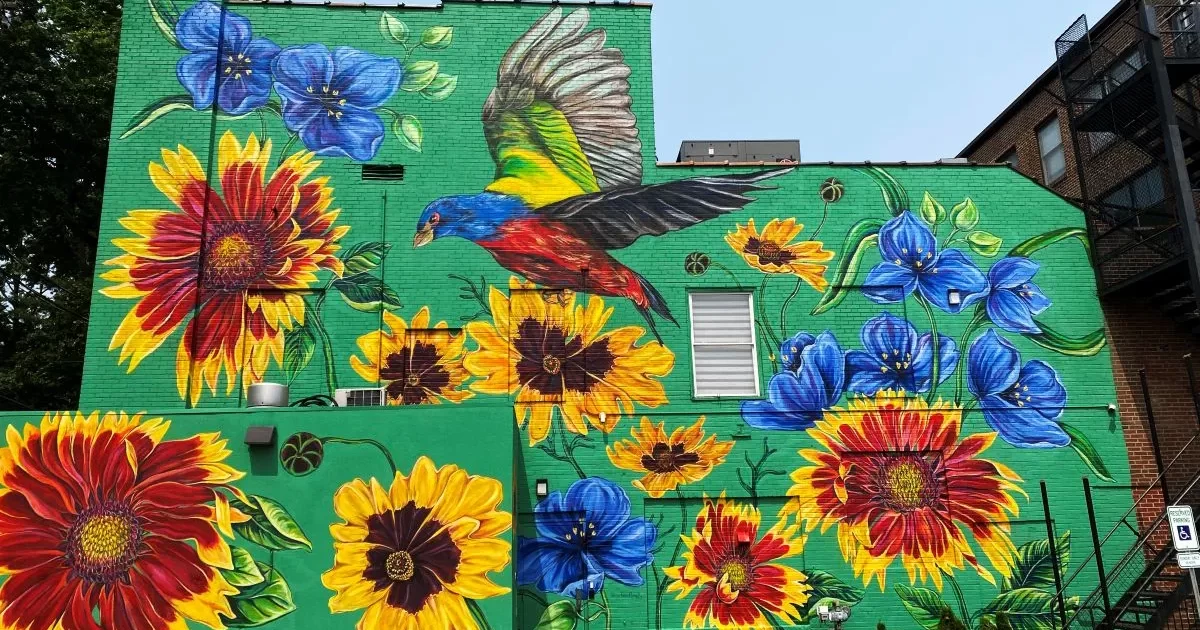
I remember encountering the work of Natasha May Platt, a Brooklyn-based floral mural artist who works under the name Surface of Beauty (@surfaceofbeauty). Her murals have graced walls for clients including Google, Netflix, and the Governors Ball Music Festival. What stood out about her work was not just the detail but the emotion. Her floral murals did not feel repetitive or staged. They felt like they belonged to the space, as if they had grown there naturally.
Artists like her show that murals are not just about painting flowers. They are about understanding the wall, the light, the surroundings, and the people who will live with the art.
Choosing the Right Flower Mural
Not every floral mural works for every space. Let’s help you choose the right one for your space:
Determine the Purpose of Your Room First
For example, bedrooms feature soft tones and gentle patterns, however, living rooms will support bolder compositions. In commercial spaces, you have more room for experimentation.
Be Conscious of Your Color Choices
There are limitless options with flowers, but consider whether the colors in your flower arrangements will coordinate with other color elements of your room. Overwhelming multiple color schemes could hinder visual aesthetics; limiting your color scheme will generally create stronger visual aesthetics.
Think About the Size of the Flowers
What would work best for the type or size of wall that you have? For example, using large blooms creates statement pieces vs smaller, detailed floral patterns that provide texture. Your wall size should dictate the appropriate size flower groupings.
Look at the Lighting
Natural & artificial both affect color. How a north-facing room with less cool light may need floral colors; conversely, sunshine will support deeper, more saturated colors.
Consider Longevity
Trends change, but murals are a commitment. Timeless floral motifs, such as botanicals or classic garden scenes, tend to age better than highly specific, trend-driven designs.
Think About Finish
Matte will give a soft, artistic feel, but satin or gloss is easier to clean and more appropriate for high-traffic areas like hallways & kitchens.
Hand-Painted vs Digital Floral Murals
At first glance, both may look equally beautiful. But once you notice the details, the difference becomes hard to ignore.
Working with a mural artist can feel different from buying ready-made décor. It is more collaborative. You share your ideas, references, and expectations. The artist studies the space, suggests concepts, and builds a design that fits.
This process takes time, but it leads to something original. The result feels connected to you and your space. Artists like Natasha May Platt often approach murals as conversations. They listen, observe, and then create. This is what makes each piece unique.
The Future of Floral Murals
The interest in murals continues to grow. Let’s have a look at the future of floral murals:
Growing Demand for Personal Spaces
People want homes and workspaces that feel like their own. Flower murals help create that connection. They reflect personality, mood, and lifestyle in a simple yet powerful way.
Blend of Art and Technology
Artists now use digital tools to plan designs, but the final outcome still feels human. This mix allows better visualization while keeping the warmth of hand-crafted art intact.
Rise of Unique Artistic Voices
More muralists bring their own style into floral art. Artists like Natasha May Platt show how each wall can carry a distinct identity instead of following one fixed trend.
Shift Towards Nature-Inspired Interiors
People feel more drawn to nature than ever before. Floral murals bring that softness indoors. They create calm and balance without needing real plants everywhere.
Timeless Emotional Connection
The emotional pull of flowers stays constant even though trends may change.
Flower murals will always stay relevant because they tap into something deeply human, our need to bring nature indoors.
Many people find that nature-inspired spaces feel calmer and more restorative, and a floral mural is one of the simplest ways to bring that quality indoors.
Stronger Role in Branding and Storytelling
Businesses incorporate floral murals to create memorable spaces. A well-designed wall becomes a visual identity that people remember and share.
Concluding Note
Flower murals sit at the intersection of art and interior design. They do not just fill walls. They shape experiences. Whether you choose a subtle design or a bold statement piece, the impact goes beyond visuals. It touches how a space feels every day. And when an artist brings that vision to life, like Natasha May Platt and many others in this growing field, the wall becomes more than just a surface. It becomes a story you live with.