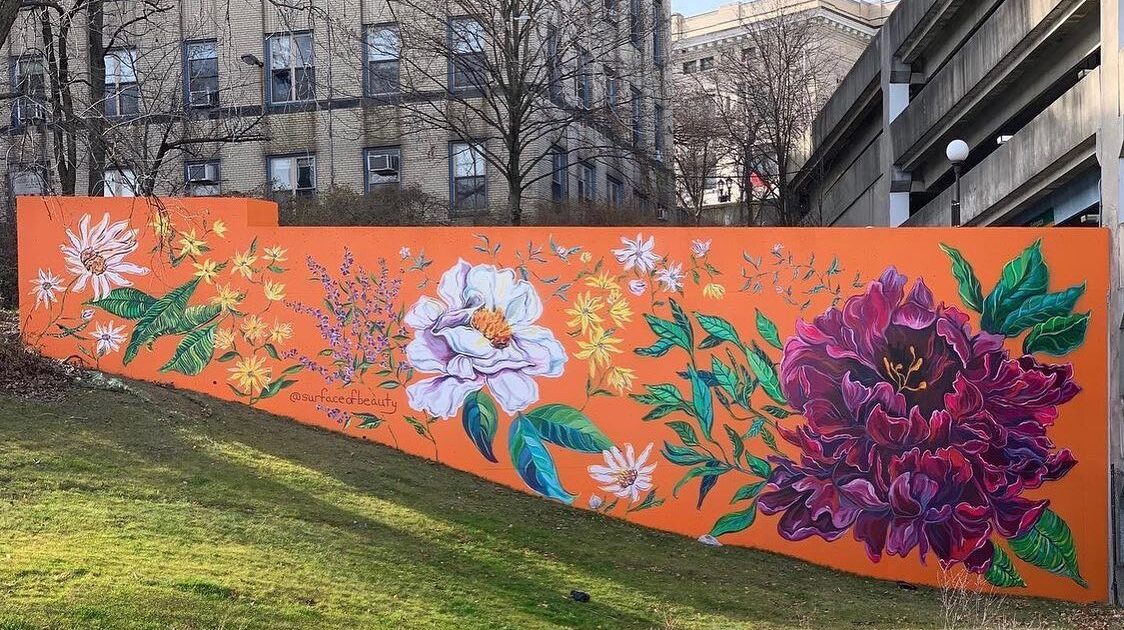
Have you ever walked by a beautiful mural on a city wall or admired a hand-painted one inside a cafe?
You might have wondered at the sight “How long does this last?”
The answer isn’t quite simple and picking a number isn’t possible. If you want to know about the lifespan of a mural, you need to understand different aspects like where it lives, what is it painted on, the material that has been used, and even the weather.
So, let’s find out about the fascinating world of murals, compare indoor vs. outdoor murals, and explore how to make them last longer.
What is a Mural?
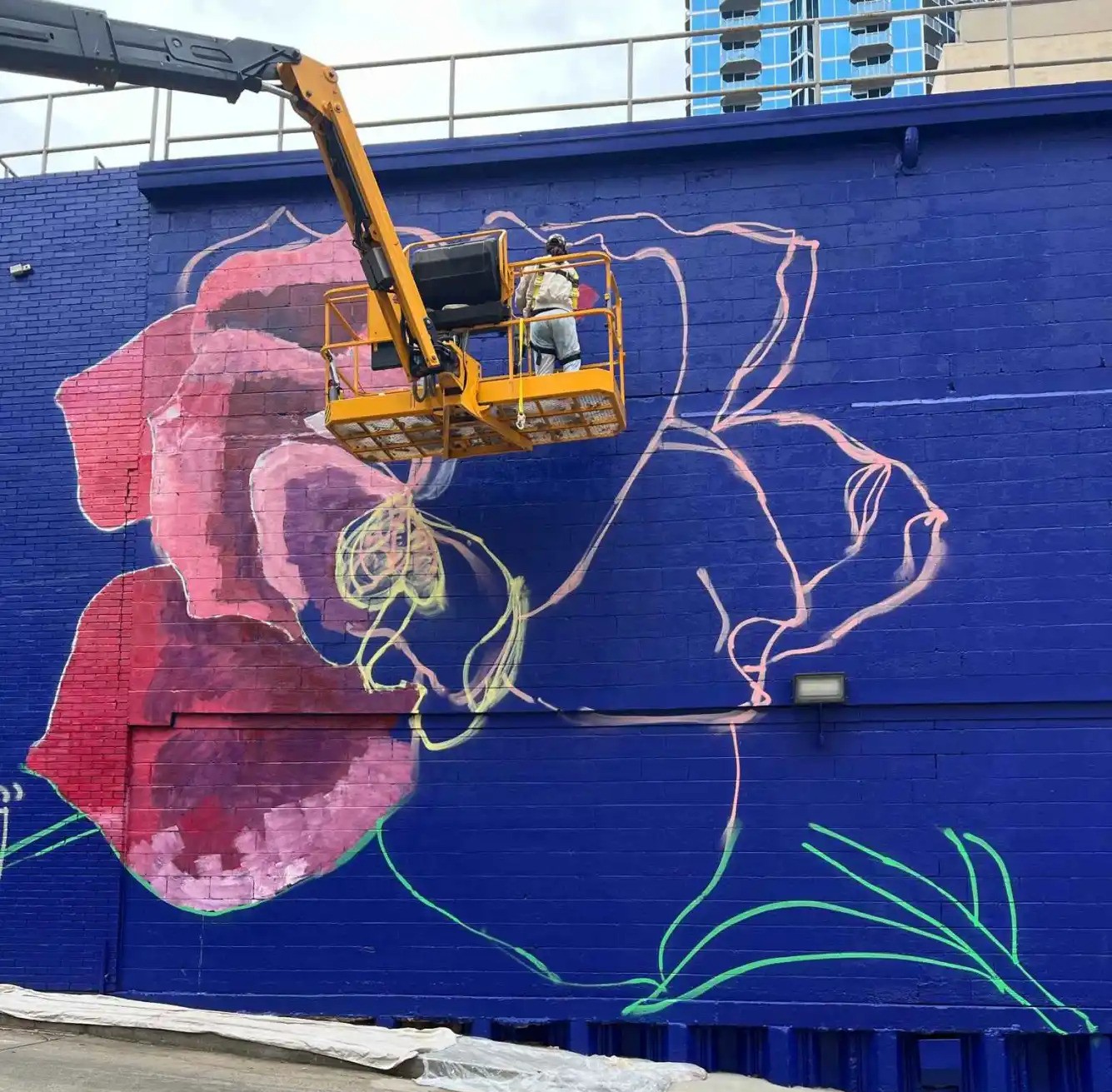
A mural is any artwork painted or applied directly on a wall, ceiling, or other large surface. Murals come in many forms, like hand-painted, spray-painted, or even digital prints installed on walls.
People love murals because they add personality. They tell stories, spark conversations, and make plain spaces feel alive.
Murals are often used to make a space more vibrant and meaningful. They can tell stories, reflect cultural identity, or simply add beauty to a plain wall. From cafes and offices to public streets and schools, murals bring creativity into everyday spaces and turn them into something memorable.
Now the most curios question whenever someone thinks of painting a mural would be that how long will the mural last? The answer mainly lies in the location of the mural.
How Long Does a Mural Last?
The answer isn’t straightforward, as it depends on a few key factors.
But the most important one is the mural’s location. Whether it’s placed indoors or outdoors plays a major role in how long it will stay vibrant and intact.
Indoor Murals: How Long Do They Last?
When talking about indoor murals, one of the most iconic examples in history is Michelangelo’s Sistine Chapel ceiling in the Vatican. Painted between 1508 and 1512, this breathtaking mural has lasted for over 500 years.
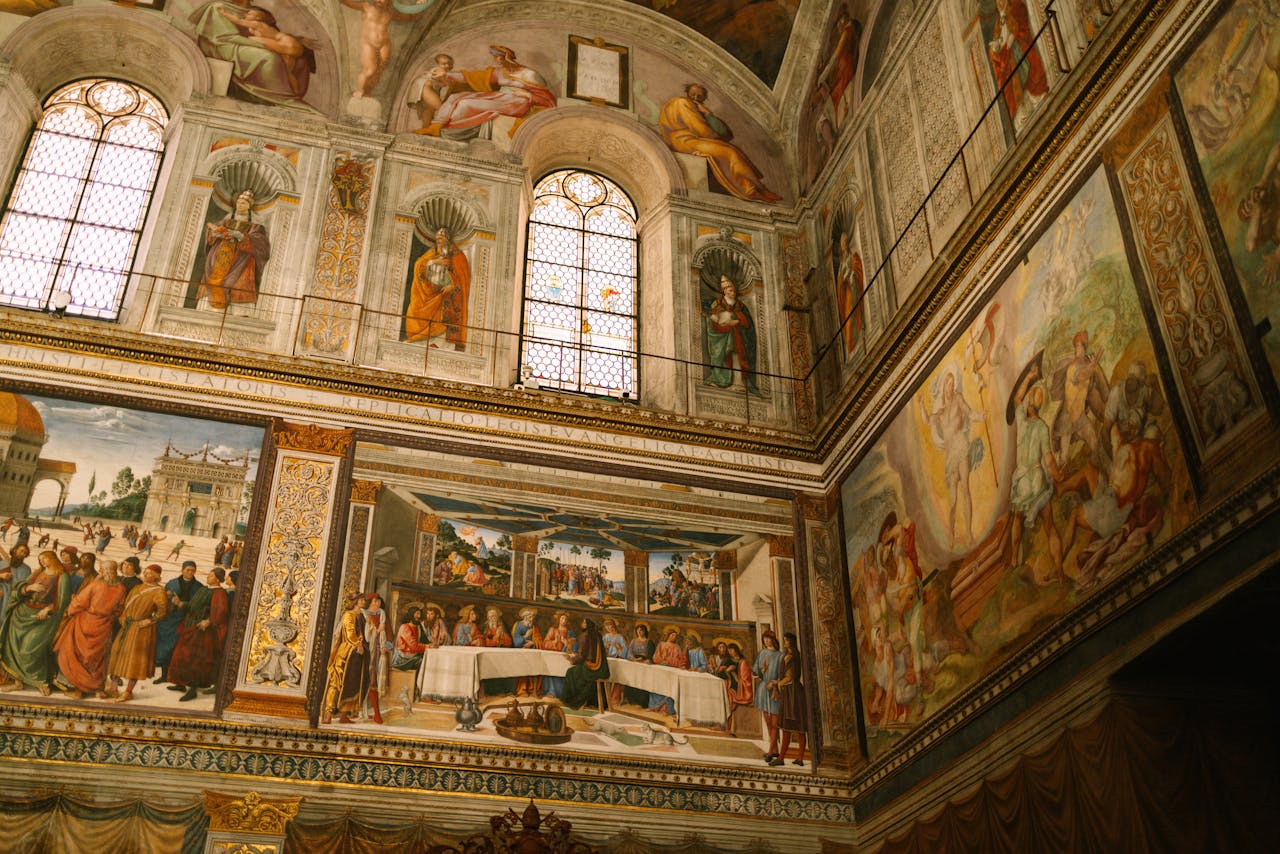
Indoor murals usually last a very long time, somewhat 20 years or more. Some can even remain as long as 50 years or longer if properly maintained. This is because indoor murals are sheltered from direct sunlight, rain, wind, and pollution.
Here are the main reasons why indoor murals stand the test of time:
- Stable temperature and humidity: Interiors rarely experience sudden changes, which prevents paint from cracking or peeling.
- No UV rays: Sunlight is one of the biggest enemies of paint. Indoor murals face limited exposure, so colors stay fresh.
- Protection from water: Indoors, the risk of water damage is much lower, reducing issues like mold or stains.
- Less physical damage: Murals inside homes, cafes, or offices aren’t usually touched, scratched, or vandalized.
With the right care, like gentle cleaning, and avoiding moisture buildup, an indoor mural can maintain its beauty for decades.
Outdoor Murals: How Long Do They Last?
Outdoor murals last 5 to 10 years, but with professional techniques and the right protective coatings, they can stay vibrant even longer, sometimes 20 years or so.
For example, the Great Wall of Los Angeles, one of the longest murals in the world, was first painted in 1976 and has lasted for over 40 years. Thanks to durable paints, community care, and timely restorations, it continues to stand as a powerful public artwork even today.
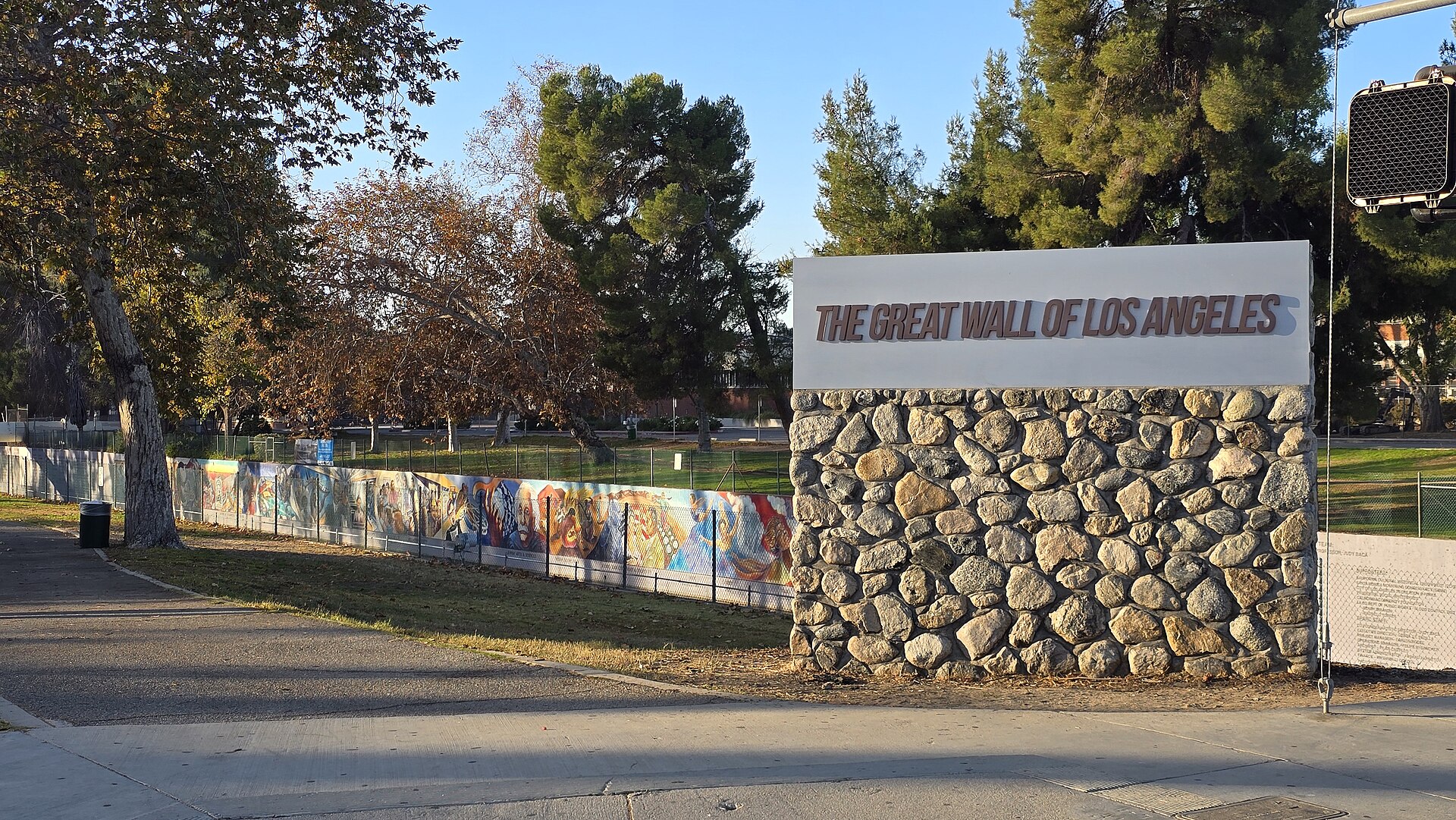
However, outdoor murals tend to have a shorter lifespan due to several factors. Some of the biggest challenges they face include:
- Weather: Sun, rain, wind, and temperature changes all speed up fading and paint cracking.
- UV exposure: Strong sunlight can bleach bright colors, especially reds and yellows.
- Pollution: Dust, dirt, and vehicle exhaust can dull the paint.
- Moisture: Water seepage from walls or heavy rains can cause bubbling or peeling.
- Vandalism: Unfortunately, graffiti or scratches can damage murals in public spaces.
But it’s not all bad news because many artists and mural conservators now use weather-resistant paints, UV-protective varnishes, and anti-graffiti coatings to extend the lifespan of murals that are outdoors.
How Can You Make a Mural Last Longer?
Whether your mural is indoors or outdoors, here are some practical tips to help it look great for years:
1. Choose the right paint
Try to use the right paint. Go for high-quality acrylic paints or mineral paints designed for murals that have better resistance to fading and cracking.
This part is not of that much importance, if you are hiring an expert mural artist, because they know what paint is right.
2. Prepare the wall properly
A clean, primed, and sealed surface helps the paint stick better and prevents moisture damage. This part is also optional if you have hired a professional artist to paint.
3. Apply protective coatings
For outdoor murals, clear UV-resistant varnish and anti-graffiti coatings act like sunscreen and armor. Indoors, a protective sealant can guard against scuffs or moisture.
4. Location matters
Outdoors, painting on a wall that gets some shade during the day slows down UV damage. Indoors, avoid painting near bathrooms or kitchens where humidity is much higher.
5. Regular cleaning
Dust and pollution build-up can make colors look dull. Gently wiping the mural with a dry, soft cloth or using specialized cleaning products keeps it fresh.
6. Repair minor damage early
Fixing small chips or cracks prevents them from growing into larger issues.
Famous Examples: Murals That Lasted (and Some That Didn’t)
Murals aren’t new, humans have painted them for thousands of years!
The frescoes of Pompeii, created over 2,000 years ago, still show vivid colors today because they were buried and protected from sunlight and weather.
On the other hand, many modern outdoor murals in cities worldwide need touch-ups or full restoration within a decade due to harsh weather and pollution.
These examples remind us how environment and care make a huge difference.
Why Do People Still Choose Mural Even Though It Might Fade?
Even with a limited lifespan outdoors, murals can continue to attract artists, communities, and businesses. This is because murals instantly transition a dull wall into an artistic one. They even tell stories of heritage and culture.
For businesses, murals are used to draw in customer attention. These advanced art forms have often become local landmarks that bring together people.
Indoor vs. Outdoor murals: Quick Comparison
|
Factor |
Indoor Murals |
Outdoor Murals |
|
Lifespan |
20+ years; sometimes 50+ years |
5–10 years; up to 20 years with care |
|
UV exposure |
Minimal |
High |
|
Moisture risk |
Low |
High |
|
Maintenance |
Occasional cleaning |
Needs regular checks, sealing |
|
Artistic impact |
Adds personality to interiors |
Creates landmarks and city identity |
Mural Lifespan Made Simple
Indoor murals can last 20 to 30 years, sometimes even longer with proper care. Outdoor murals usually stay bright for 5 to 10 years, but with the right materials and maintenance, they can last up to 20 years or more.
A mural’s lifespan depends on its location, paint quality, surface preparation, and how well it’s maintained. Sunlight, weather, and pollution all play a role.
But murals aren’t just about how long they last. They tell stories, reflect identity, and bring spaces to life. A well-planned mural can turn any wall into something meaningful.
Whether it’s your home, a café, office lobby, or a public park, adding a mural can create lasting memories and visual impact for years to come.
Ready to Create Your Own Mural?
Want your mural to stand the test of time? Talk to a trusted mural artist. Plan your design. Pick the right wall. Use the best paints. And follow some simple care tips.
Your mural will thank you by staying beautiful for years to come.
Frequently Asked Questions About Murals
Q: What paint is best for murals?
Acrylic paint is the most popular. It’s durable, quick-drying, and sticks well to walls. For outdoor murals, artists often use weather-resistant or UV-resistant paints.
Q: Do murals damage walls?
No, a mural doesn’t damage walls if done correctly. In fact, a good primer and proper sealing protect the wall surface.
Q: How much does a mural cost?
Prices vary. It depends on size, detail, and the artist’s experience. A small indoor mural might cost a few thousand rupees, while a large outdoor mural could run much higher.
Q: Can I clean my mural?
Yes! Dust indoor murals gently with a dry cloth. For outdoor murals, rinse with clean water and a soft sponge. Avoid harsh chemicals.
Q: Can murals be painted on any surface?
Murals can be painted on many surfaces like concrete, plaster, wood, or brick. However, the wall should be clean, dry, and primed properly to help the paint adhere and last longer.
Q: How long does it take to complete a mural?
It depends on the size and complexity. A small indoor mural might take a day or two, while a large outdoor mural could take several days to weeks.
Q: Can murals be removed or painted over?
Yes, murals can be painted over if needed. If you’re planning to remove one, sanding and priming the surface may be required before repainting.
Q: Are there eco-friendly paints for murals?
Yes. Many artists now use low-VOC or eco-friendly acrylic paints that are safer for indoor use and the environment, especially in schools or residential spaces.
Q: Can I hire someone to restore an old mural?
Absolutely. Professional mural restorers or conservators can repair faded or damaged sections and apply new protective coatings to extend the mural’s life.
Q: Do I need permission to paint an outdoor mural?
In most cases, yes. For public or commercial spaces, you may need permission from the property owner or local authorities. It’s always best to check before starting.