
In a recent development aimed at ending ongoing conflicts, Iran has submitted a new proposal to establish a truce. This move signals a potential step toward peace, yet it has met with skepticism from the United States. Former President Donald Trump expressed that he was “not satisfied” with the proposal, indicating doubts about its effectiveness or terms..
Adding to the complexity, a Trump administration official claimed that the proposed truce effectively reset the clock on Congressional authorization for military action. This suggests that the truce could influence the legal framework under which the U.S. Congress might consider future military decisions related to the conflict.The situation remains delicate, with efforts for peace challenged by political and procedural hurdles. While Iran’s proposal opens a door for dialogue, the U.S. response highlights ongoing concerns and the intricate balance of diplomacy and legislative oversight in matters of war and peace.
Trump Team Says Truce Resets Congressional Authorization Clock
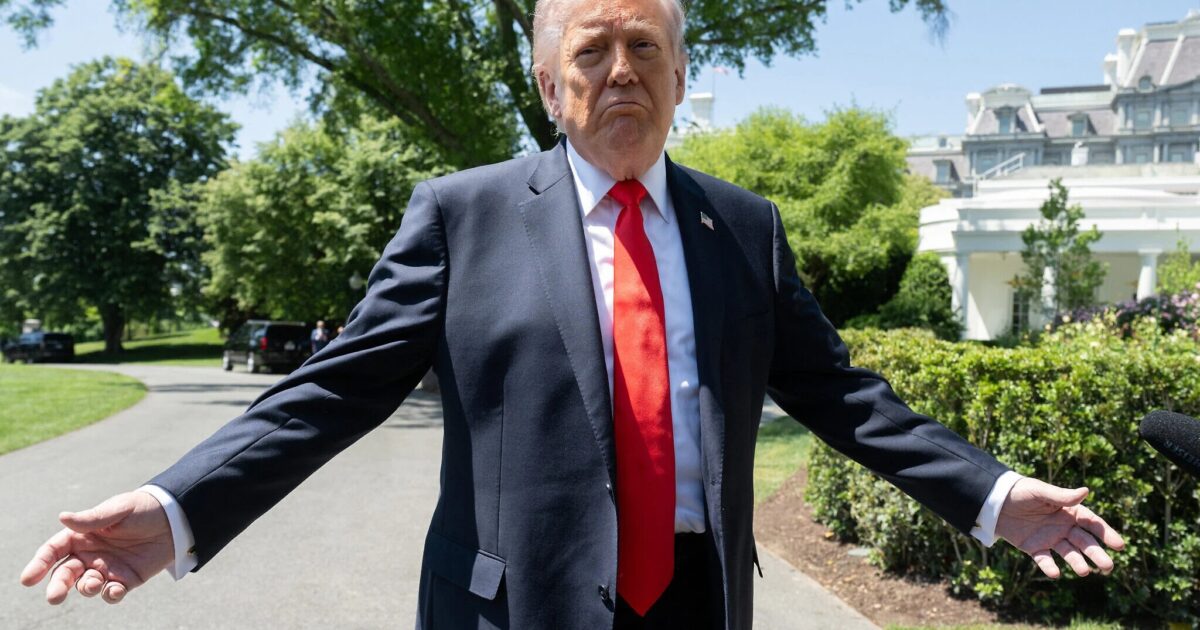
On Friday, US President Donald Trump expressed dissatisfaction with a new ceasefire proposal from Iran, signaling a tense moment in ongoing negotiations. Speaking outside the White House, Trump said that while Tehran seemed interested in making a deal, he was not convinced the offer met necessary conditions. He noted that Iran’s leadership struggles internally, complicating talks and putting the US in a difficult position. Trump confirmed he had been briefed by US Central Command chief Adm. Bradley Cooper on military options, including a forceful strike against Iran if no agreement is reached. “Do we want to go and just blast the hell out of them and finish them forever, or do we want to try and make a deal—those are the options,” Trump said, though he expressed a preference to avoid bombing on humanitarian grounds. Still, he emphasized his determination to prevent Iran from acquiring nuclear weapons.
Earlier that day, Iranian state media and Pakistani officials reported that Tehran had submitted a new proposal through Pakistani mediation channels. This proposal reportedly dropped Iran’s previous demand that the US first lift its naval blockade before talks on lifting Iran’s blockade of the Strait of Hormuz could begin. Instead, Iran offered to start simultaneous negotiations on both blockades, along with discussions about its nuclear program in exchange for US sanctions relief.
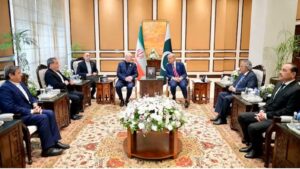
Iran also expressed willingness to hold talks in Pakistan if the US was open to the venue. The Strait of Hormuz remains a critical flashpoint, with both Iran and the US maintaining naval blockades. Its closure has severely disrupted global energy markets, cutting off about 20% of the world’s oil and gas supply and sending oil prices to a four-year high. The US warned shipping companies on Friday that paying tolls to Iran to pass through the strait could lead to sanctions. Meanwhile, diplomatic efforts continue, with the EU’s foreign affairs chief engaging with Iranian officials about reopening the waterway. Despite the ceasefire Trump announced in April—which he later extended indefinitely—hostilities have not fully ceased. Iran has launched missile and drone strikes in response to earlier US and Israeli bombing campaigns aimed at crippling its missile and nuclear capabilities.
The Trump administration claims the ceasefire resets the clock on congressional authorization for the conflict under the 1973 War Powers Act, which limits how long a president can engage in hostilities without Congress’s approval. Iran’s judiciary chief, Gholamhossein Mohseni Ejei, declared in a video statement that the US achieved nothing in the conflict and emphasized that while Iran is open to negotiations, it will not back down or accept imposed conditions. Iranian sources told Reuters that Tehran has fortified its air defenses and is preparing for a potential short, intense US strike, possibly coupled with Israeli action. Reports also indicate Iran is readying missiles and munitions in case the ceasefire collapses. Tragically, leftover bombs from the recent fighting exploded near Zanjan, northwest of Tehran, killing 14 members of Iran’s Islamic Revolutionary Guard Corps. This incident marks the deadliest since the ceasefire began and highlights the ongoing dangers even amid attempts at peace. As tensions remain high, the coming days are critical for determining whether diplomacy can prevail or if the region will face renewed conflict.